
Daily Nutrition Tips for Women
Comprehensive guidance on balanced eating, essential nutrients, and practical strategies to support your health and energy throughout the day. Evidence-informed insights from nutrition experts.
The information on this site is for educational purposes only and does not constitute medical advice. Always consult a qualified healthcare professional before making health decisions.
Why Daily Nutrition Matters for Women
Women's nutritional needs evolve throughout life stages. Proper daily nutrition supports energy levels, hormonal balance, bone strength, and overall vitality. Understanding what your body needs helps you make informed food choices every single day.
Heart & Energy Support
Daily proper nutrition fuels your cardiovascular system and provides sustained energy for work, exercise, and daily activities. Iron, B vitamins, and healthy fats are essential for women's vitality.
Bone Strength & Density
Calcium, vitamin D, magnesium, and phosphorus work together throughout your life to maintain strong bones. Building and maintaining bone health through nutrition is crucial for long-term wellness.
Hormonal Balance
Certain nutrients support stable hormone levels and reduce fluctuations throughout your menstrual cycle. Vitamin B6, zinc, and omega-3 fatty acids are particularly important for hormonal equilibrium.
Essential Nutrients Women Need Most
Iron
Iron is critical for oxygen transport throughout your body and maintaining energy levels. Women of reproductive age need 18 mg daily, while postmenopausal women need 8 mg.
Find it in: Red meat, poultry, fish, beans, lentils, spinach, fortified cereals
Vitamin D & Calcium
These nutrients work together to build and maintain bone strength. Most women need 1,000-1,200 mg of calcium and 600-800 IU of vitamin D daily for optimal skeletal health.
Find it in: Dairy products, fortified plant milks, leafy greens, fatty fish, sunlight exposure
B Vitamins
B vitamins support energy metabolism, mood, and hormonal balance. B6, B12, and folate are especially important for women managing stress and supporting overall wellness.
Find it in: Whole grains, eggs, chicken, fish, bananas, chickpeas, nuts, seeds
Omega-3 Fatty Acids
Omega-3s support brain function, reduce inflammation, and promote cardiovascular health. Including these healthy fats daily contributes to sustained energy and mental clarity.
Find it in: Fatty fish (salmon, mackerel), walnuts, flaxseeds, chia seeds, hemp seeds, olive oil
Antioxidants
Vitamins C, E, selenium, and other antioxidants protect your cells from oxidative stress. These compounds support skin health, immune function, and long-term vitality.
Find it in: Berries, citrus fruits, colorful vegetables, nuts, seeds, dark chocolate
Magnesium
Magnesium supports muscle function, energy production, and stress response. Women need 310-320 mg daily. Many experience deficiency despite its widespread occurrence in foods.
Find it in: Pumpkin seeds, almonds, spinach, black beans, avocado, whole grains, dark leafy greens
Weekly Meal Planning Guide for Balanced Nutrition
Consistency matters more than perfection. This approach helps you include all essential nutrients throughout the week without overthinking each meal.
Monday-Wednesday: Lean Proteins & Greens
Focus on chicken, fish, or turkey paired with iron-rich leafy greens. This combination supports energy and provides bioavailable nutrients. Example: grilled salmon with spinach salad and quinoa.
Thursday-Friday: Plant-Based & Legumes
Include beans, lentils, chickpeas, and tofu. These provide plant-based protein, fiber, and minerals. Example: lentil curry with brown rice and roasted vegetables.
Saturday-Sunday: Whole Grains & Colorful Produce
Emphasize variety with whole wheat bread, oats, sweet potatoes, and rainbow vegetables. This ensures diverse micronutrient intake. Example: whole grain pasta with seasonal roasted vegetables.
Daily Foundations
Include a calcium source at every meal (yogurt, cheese, fortified milk, leafy greens), nuts or seeds for healthy fats, and colorful fruits or vegetables at lunch and dinner.

Daily Nutrition Habits That Work
Hydration First
Start each day with a glass of water. Many women confuse thirst with hunger. Aim for 8-10 glasses daily, more if you exercise. Proper hydration supports metabolism, skin clarity, and energy levels throughout the day.
- ✓ Tip: Keep a refillable water bottle at your desk or workspace
- ✓ Tip: Drink water before, during, and after exercise
- ✓ Tip: Herbal tea counts toward daily fluid intake
Don't Skip Breakfast
A nutrient-dense breakfast sets the tone for your entire day. Include protein, whole grains, and fruit to stabilize blood sugar and maintain steady energy. Women who eat breakfast report better focus and fewer cravings later.
- ✓ Example: Greek yogurt with berries and granola
- ✓ Example: Whole grain toast with almond butter and banana
- ✓ Example: Vegetable omelet with whole wheat bread
Smart Snacking
Strategic snacks prevent energy crashes and overeating at main meals. Choose combinations of protein, healthy fat, and fiber. Nuts, yogurt, fruit, and cheese are excellent portable options for busy days.
- ✓ Combo: Apple with almond butter
- ✓ Combo: Hummus with raw vegetables
- ✓ Combo: Hard-boiled egg with whole grain crackers
Mindful Eating Practice
Eat slowly, chew thoroughly, and sit down for meals when possible. This practice improves digestion, enhances nutrient absorption, and helps you recognize fullness cues more effectively.
- ✓ Technique: Put fork down between bites
- ✓ Technique: Chew each bite 20-30 times
- ✓ Technique: Avoid screens during meals
Plate Balance Method
Fill half your plate with vegetables and fruits, one-quarter with lean protein, and one-quarter with whole grains. This simple visual guide ensures balanced nutrition at every meal without complicated calculations.
- ✓ Include: At least 3 different colors of produce
- ✓ Include: A variety of cooking methods (raw, steamed, roasted)
- ✓ Include: Herbs and spices for flavor without extra sodium
Weekly Meal Prep Routine
Dedicate 2-3 hours on weekends to prepare components that make weekday meals easier. Cook grains, roast vegetables, cook proteins, and prepare simple sauces. This reduces daily decision fatigue and improves nutrition consistency.
- ✓ Prep: 2-3 portions of cooked whole grains
- ✓ Prep: 1-2 cooked lean proteins
- ✓ Prep: 3-4 types of roasted vegetables
Common Questions About Women's Daily Nutrition
How much protein do women need daily?
The recommended dietary allowance (RDA) is 0.8 grams per kilogram of body weight, or about 46 grams for an average adult woman. However, individual needs vary based on activity level, age, and health status. Women who exercise regularly may benefit from 1.2-2.0 grams per kilogram. Spreading protein intake across meals helps with muscle maintenance and satiety.
What's the best way to address iron deficiency risk?
Include iron-rich foods at multiple meals throughout the week. Pair plant-based iron sources (beans, spinach, fortified cereals) with vitamin C sources (citrus, tomatoes, peppers) to enhance absorption. Women of reproductive age should monitor their iron intake, particularly if experiencing heavy menstrual periods or following a vegetarian diet. Regular food journaling can help identify patterns.
Are there differences in nutrition needs for different life stages?
Yes, significantly. Teenage girls need more iron and calcium for bone development. Women of reproductive age need adequate folate and iron. Pregnant women have increased calorie and nutrient needs. Postmenopausal women need adequate calcium, vitamin D, and may need fewer calories. Working with nutrition content or tracking your food can help identify personal needs at each life stage.
How can women with busy schedules maintain good nutrition?
Weekly meal preparation is the most effective strategy. Spending a few hours on weekends to cook grains, roast vegetables, and prepare proteins creates grab-and-go meals throughout the week. Keep frozen vegetables, canned beans, nuts, and whole grain options readily available. Batch cooking soups, stews, and casseroles provides multiple ready-made meals when time is limited.
Should women consider supplementation?
A well-planned diet provides most nutrients women need. However, some women benefit from supplementation in specific situations: vitamin D during winter months in northern climates, iron during reproductive years or if levels are low, vitamin B12 for vegetarians or vegans, or folate when planning pregnancy. Individual needs vary. Consulting with nutrition resources or healthcare providers helps determine personal requirements.
How does nutrition affect energy levels and mood?
Stable blood sugar is crucial. Eating regular meals with balanced protein, whole grains, and healthy fats prevents energy crashes. B vitamins support mood neurotransmitter production. Omega-3 fatty acids and magnesium play roles in emotional regulation. Staying hydrated, limiting processed sugar, and including nutrient-dense foods all contribute to steady energy and improved overall well-being.
Nutrient-Rich Recipes & Food Ideas
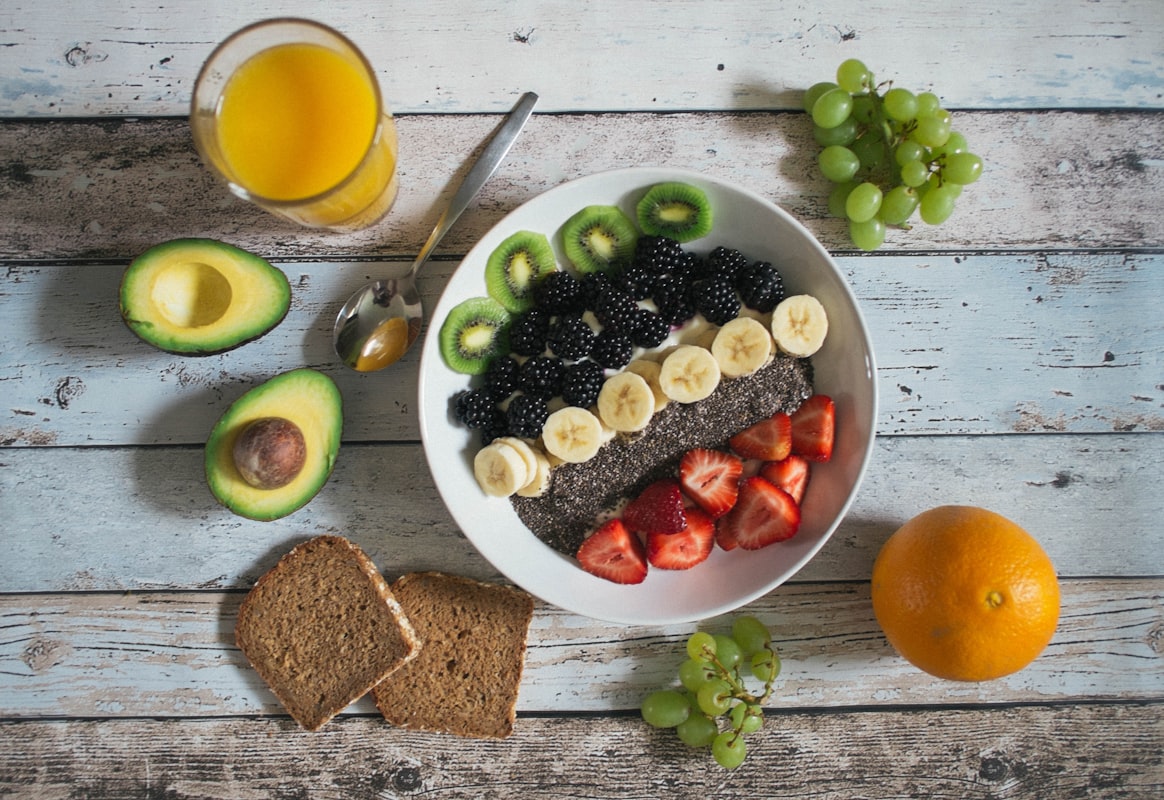
Quinoa Power Bowl
A complete protein bowl combining cooked quinoa, roasted chickpeas, roasted vegetables, leafy greens, avocado, and tahini dressing. This meal provides iron, B vitamins, healthy fats, and sustained energy for 4+ hours.
Key nutrients: Complete protein, fiber, iron, magnesium, omega-3s

Herb-Baked Salmon Dinner
Wild-caught salmon seasoned with fresh herbs, lemon, and olive oil, paired with roasted broccoli and sweet potato. This one-sheet meal is high in omega-3 fatty acids and provides multiple essential vitamins and minerals.
Key nutrients: Omega-3s, vitamin D, selenium, potassium, antioxidants

Berry Yogurt Parfait
Layers of plain Greek yogurt, mixed berries, granola, and a drizzle of raw honey. This breakfast or snack provides probiotics for digestive health, antioxidants from berries, and protein from yogurt.
Key nutrients: Probiotics, antioxidants, protein, vitamin C, calcium

Red Lentil & Vegetable Soup
A hearty soup combining red lentils, carrots, celery, tomatoes, spinach, and warming spices like turmeric. Easily digestible, naturally iron-rich, and provides sustained energy without heaviness.
Key nutrients: Iron, plant-based protein, fiber, folate, antioxidants
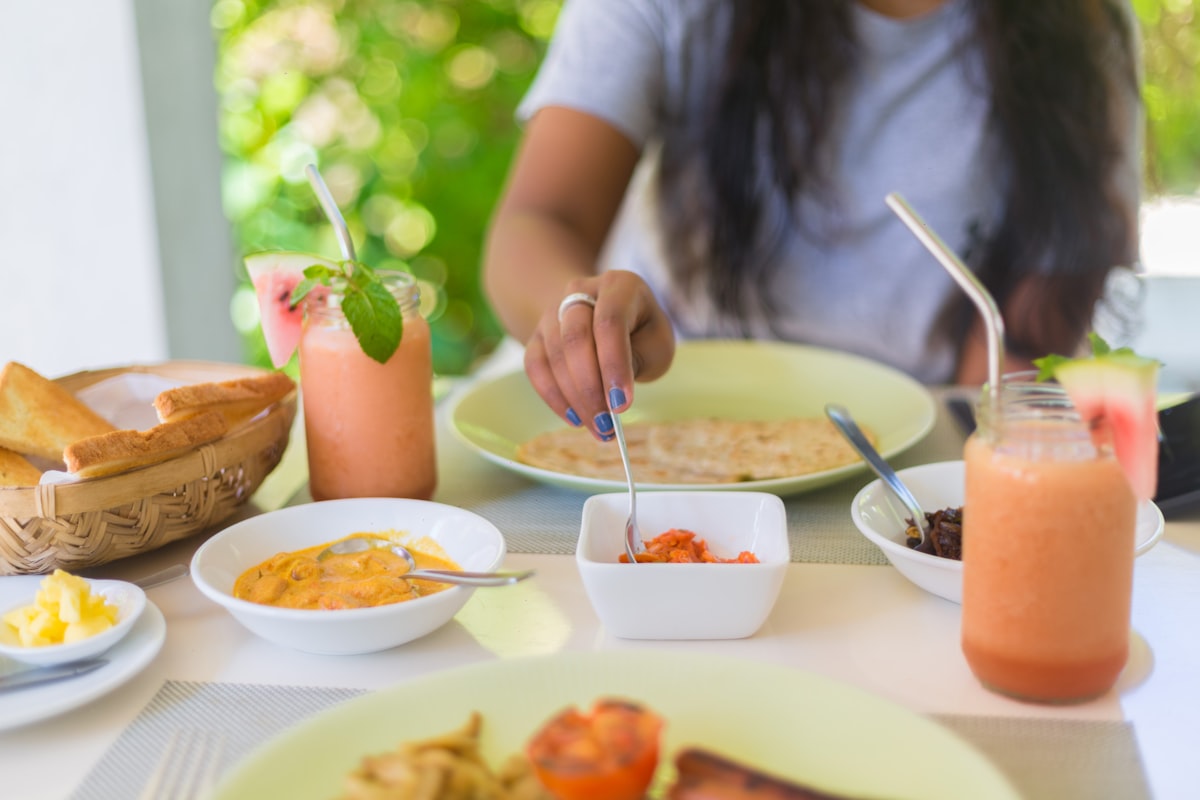
Iron-Rich Green Salad
Fresh spinach and arugula topped with roasted chickpeas, sliced almonds, sesame seeds, fresh lemon, and olive oil dressing. The vitamin C from lemon enhances iron absorption from leafy greens.
Key nutrients: Iron, folate, calcium, magnesium, vitamin K, healthy fats
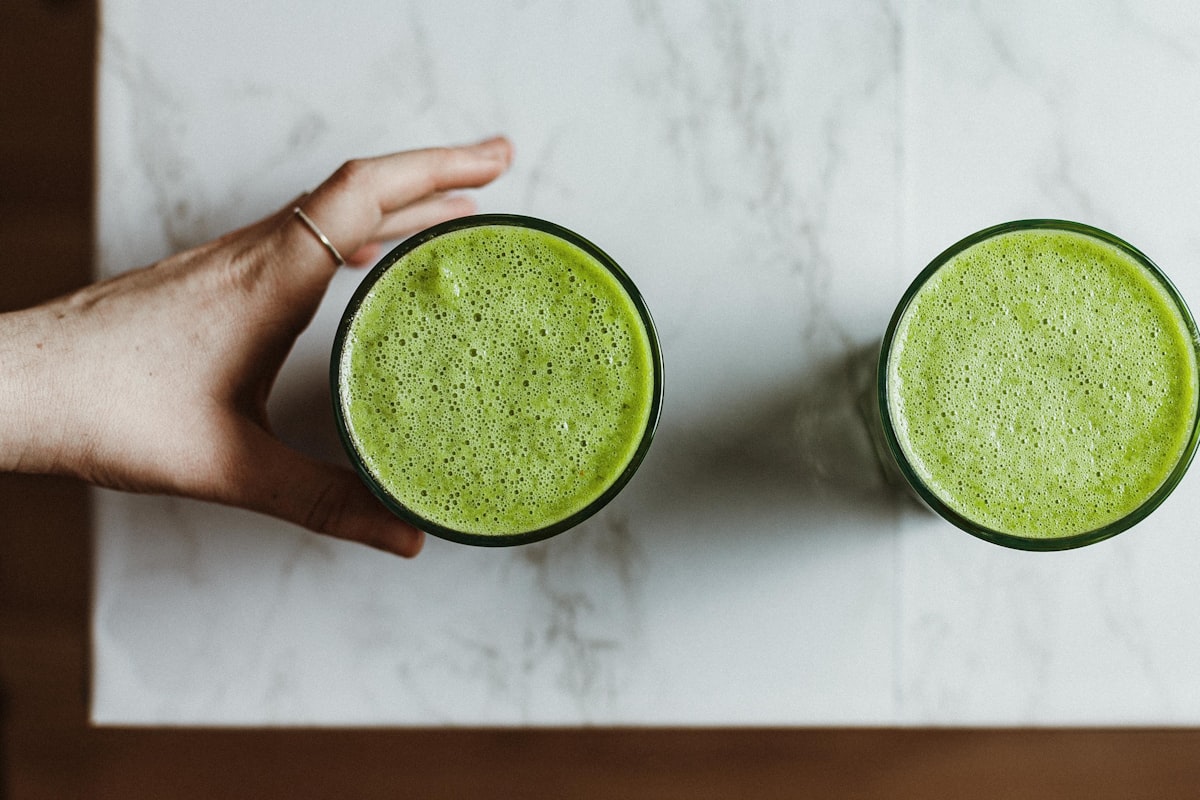
Overnight Oats with Chia Seeds
Rolled oats soaked overnight in almond milk with chia seeds, banana slices, and a drizzle of almond butter. Chia seeds are packed with omega-3 fatty acids and fiber for sustained energy.
Key nutrients: Fiber, omega-3s, protein, B vitamins, manganese, magnesium
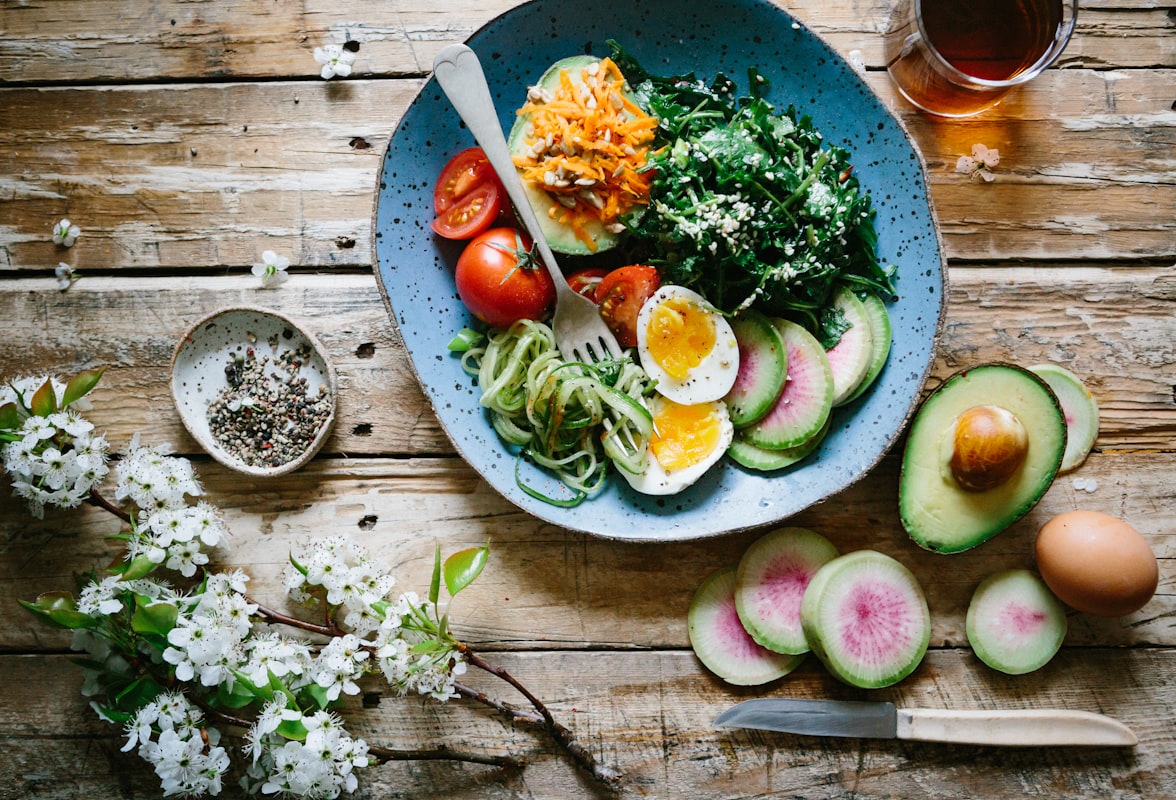
Grilled Salmon with Roasted Vegetables
Wild-caught salmon fillet with roasted sweet potato and steamed broccoli. Salmon is rich in omega-3 fatty acids which support heart health and reduce inflammation.
Key nutrients: Omega-3s, protein, vitamin D, selenium, potassium, B vitamins

Greek Yogurt Parfait
Creamy Greek yogurt layered with mixed berries, granola, and a drizzle of raw honey. Greek yogurt provides probiotics for gut health and is an excellent protein source.
Key nutrients: Protein, probiotics, calcium, B vitamins, antioxidants
What Our Community Says
Real stories from women who have transformed their health through balanced, nutrient-rich eating
Sarah Anderson
Age 34
"Following the healthy eating guides has given me so much more energy throughout the day. I feel stronger, my skin is clearer, and I finally understand what real nutrition looks like. This has been life-changing!"
Maria Johnson
Age 28
"I was struggling with hormonal imbalances and irregular energy levels. The nutrient-dense meal plans helped me stabilize my hormones naturally. I'm so grateful for the science-backed approach!"
Emma Klein
Age 41
"At 41, I was concerned about aging gracefully. These nutrition principles have helped me maintain muscle, improve my mental clarity, and feel confident in my body again. Highly recommend!"
Frequently Asked Questions
Find answers to common questions about healthy eating for women
How much protein do women need daily?
Most women need 46-50 grams of protein daily, though active women or those over 50 may need 1.2-1.6 grams per kilogram of body weight. Spread protein intake throughout the day in meals and snacks for optimal muscle maintenance and recovery.
What are the best iron sources for women?
Women of reproductive age need 18mg of iron daily. Heme iron from animal sources (beef, poultry, fish) is more readily absorbed. Pair plant-based iron sources (legumes, leafy greens, seeds) with vitamin C-rich foods to enhance absorption.
How can I support my hormonal health through nutrition?
Support hormonal balance with omega-3 rich foods, complex carbohydrates, adequate calories, and micronutrients like magnesium, zinc, and B vitamins. Limit ultra-processed foods and maintain consistent meal timing. Consult a healthcare provider for personalized guidance.
Is it okay to skip meals or practice intermittent fasting?
Regular meal patterns support stable blood sugar and energy levels. While intermittent fasting works for some, women should be cautious due to hormonal sensitivity. Consult with a nutritionist to ensure any fasting protocol supports your individual health needs and hormonal balance.
How do I meal plan for a busy lifestyle?
Dedicate 2-3 hours on the weekend to meal prep. Cook grains, proteins, and roast vegetables in bulk. Store in portioned containers for quick assembly throughout the week. Invest in quality storage containers and batch cook staples like beans, grains, and broths.
What supplements should women consider?
Common considerations include vitamin D, B12 (especially for vegetarians), iron (based on individual needs), and omega-3s. Individual needs vary widely based on diet, health status, and age. Work with a healthcare provider or registered dietitian to determine your personalized supplement needs.
Ready to Transform Your Health?
Join thousands of women who are nourishing their bodies with science-backed nutrition. Start your journey to better energy, clearer skin, and a stronger you today.
No credit card required • Science-backed guidance • Personalized for women